 EN
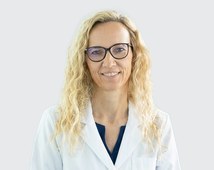
Professor Bettina Jungwirth is medical director of the Department of Anaesthesiology and Intensive Care Medicine (Klinik für Anästhesiologie und Intensivmedizin) at Ulm University Hospital (Universitätsklinikum Ulm), which she has led since 1 February 2020. Her department cares for patients during planned and emergency operations, in intensive care, with chronic pain and in emergencies, in the hospital and on Ulm’s streets.
What Professor Jungwirth treats
Professor Jungwirth is an anaesthesiologist who leads a department of more than 100 doctors. On joining Ulm, she named better treatment outcomes as her clinical and research focus: predicting each patient’s risk more accurately and planning treatment accordingly, including with digital data and AI, as anaesthesia and intensive care generate huge amounts of data. The department covers:
- general and regional anaesthesia (numbing one part of the body) for planned and emergency surgery;
- anaesthesia for heart operations;
- paediatric anaesthesia, from premature babies to young adults;
- intensive care, including ECMO;
- emergency medicine: emergency doctors and response to life-threatening events in the hospital;
- treatment of acute and chronic pain.
See also our pages on pain treatment and cardiology.
Training and experience
Bettina Jungwirth studied medicine at the University of Regensburg and the Technical University of Munich (TUM). In 2002 she received her licence to practise and her doctorate from TUM’s Department of Anaesthesiology, where she then trained, with a rotation at the German Heart Centre Munich, becoming a specialist (Fachärztin) in anaesthesiology in 2007.
In 2007–2008 she was a fellow in cardiothoracic anaesthesia and critical care medicine at Duke University in the USA, then worked as a senior physician at TUM. She completed her habilitation in 2010 and was appointed professor of anaesthesiology at TUM in 2018. In Ulm she succeeded Professor Michael Georgieff.
The department and hospital
Before a planned operation, anaesthetists in the pre-anaesthesia clinic discuss the anaesthetic risk based on the patient’s conditions and reports. During operations, team members staff more than 40 workstations on the hospital’s two sites; afterwards patients are monitored in recovery rooms or in intensive care, with ventilation, dialysis, circulatory support and ECMO where needed. Cardiac anaesthesia supports around 1000 heart operations and around 1000 cardiology procedures a year, and paediatric anaesthetists give around 4000 anaesthetics a year. Its doctors staff three emergency doctor bases, with around 6000 call-outs a year. More about the hospital: University Hospital Ulm.
Frequently asked questions
What conditions does Professor Jungwirth treat?
Professor Jungwirth’s department is involved not in one disease but whenever patients need pain control and support for vital functions: in planned or emergency surgery under anaesthesia, including heart surgery and children’s surgery, in critical illness needing intensive care, and in chronic pain.
How can I see Professor Jungwirth from abroad?
Anaesthesia is planned together with an operation in one of Ulm’s surgical departments; beforehand, patients attend a pre-anaesthesia consultation to assess the risk. AlenMed translates your records into German and forwards your request to the department that will operate, which confirms a date; the hospital decides which anaesthetist looks after you.
How much does treatment with Professor Jungwirth cost?
The hospital sets the amount in a written estimate (Kostenvoranschlag) prepared before you travel. It depends on the operation, the examinations and whether intensive care is needed afterwards, so there is no single price. Payment goes directly to the hospital.
How to see Professor Jungwirth through AlenMed
AlenMed translates your medical records into German, agrees a date with the hospital and, if needed, arranges a medical interpreter and personal support. To start, send a request through our form.
This information is for reference only and is not an offer. A doctor decides whether and how to treat after an in-person examination.