 EN
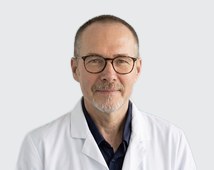
Dr Hannes Hofbauer is head of the Pain Therapy Section (Sektion Schmerztherapie) in the Department of Anaesthesiology and Intensive Care Medicine at Ulm University Hospital (Universitätsklinikum Ulm). Patients see him for chronic pain: cancer-related pain, wear of the spine and joints, nerve pain after shingles, phantom pain and headaches. His section has a dedicated tumour pain clinic.
What Dr Hofbauer treats
Dr Hofbauer is an anaesthetist and pain specialist whose section treats all kinds of pain, medically and psychologically, together with other departments. These include:
- cancer-related pain and pain after surgery;
- wear of the spine and joints, fibromyalgia;
- nerve pain after shingles, phantom pain, pain after a stroke;
- complex regional pain syndrome (CRPS, Sudeck’s disease);
- headaches and pain from poor circulation;
- withdrawal from long-term opioids or from painkillers that cause headaches.
Treatment follows a multimodal plan: medication, pain relief through catheters near the spinal cord or nerves, nerve blocks, psychological methods (relaxation, biofeedback, group therapy), TENS (nerve stimulation through the skin) and physiotherapy. See also our page on pain treatment.
Training and experience
Dr Hofbauer is a specialist (Facharzt) in anaesthesia with additional qualifications in specialised pain therapy, palliative care, emergency medicine, specialised intensive care and medical quality management, and he holds an MBA. A senior physician (Oberarzt) and member of the department’s extended leadership, he chairs the Ulm pain centre’s interdisciplinary pain conferences, which discuss difficult cases.
With psychotherapist Dr Felicitas Rapp he leads research on cancer-related pain: how pain and quality of life differ between stages of the disease, what long-term cancer survivors with chronic pain need, and how reliably patients take their pain medication. Another project is a pilot study of the AiDolor smartphone app, in which patients mark where and how it hurts after surgery.
The department and hospital
The section sees patients in its pain clinic and treats inpatients on its pain ward; patients are admitted to the ward only after a clinic visit. Its acute pain service looks after surgical patients in the first days after surgery, and its consultation service helps all departments with complex pain problems. The team includes anaesthetists and psychotherapists, some specialising in pain psychotherapy. It teaches pain medicine to students and may train doctors in specialised pain therapy and palliative care. More about the hospital: University Hospital Ulm.
Frequently asked questions
What conditions does Dr Hofbauer treat?
Dr Hofbauer treats chronic pain: cancer-related pain, wear of the spine and joints, fibromyalgia, nerve pain after shingles, phantom pain, pain after a stroke, CRPS and headaches. His section helps people who need to come off opioids or painkillers after long-term use.
How can I see Dr Hofbauer from abroad?
The pain clinic asks for a referral from a family doctor or specialist, a completed detailed questionnaire and all important previous findings. People with tumour-related pain are seen as soon as possible. AlenMed translates the questionnaire and records and forwards your request; the hospital confirms a date and decides which doctor sees you.
How much does treatment with Dr Hofbauer cost?
The hospital sets the exact amount in a written estimate (Kostenvoranschlag) prepared before you travel. It depends on the examinations and treatment: an outpatient consultation and a stay on the pain ward are priced differently, so there is no single price. Payment goes directly to the hospital.
How to see Dr Hofbauer through AlenMed
AlenMed translates your records and previous findings into German, agrees a date with the hospital and, if needed, arranges a medical interpreter and personal support. To start, send a request through our form.
This information is for reference only and is not an offer. A doctor decides whether and how to treat after an in-person examination.