 EN
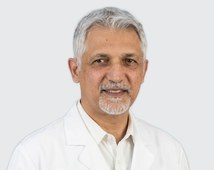
Dr Gholam Nabi Fakeri, MD (USA), is chief physician of the Nephrology and Dialysis Unit (Fachbereich Nephrologie und Dialyse) at RHÖN-KLINIKUM Campus Bad Neustadt in Bad Neustadt. Patients see him about acute and chronic kidney disease, kidney involvement in systemic diseases, and kidney failure that requires dialysis or preparation for a transplant.
What Dr Fakeri treats
Dr Fakeri is a nephrologist: his unit diagnoses, treats and follows up kidney disease and provides dialysis. Its work includes:
- prevention and early detection of kidney disease, for example in diabetes or high blood pressure;
- acute kidney failure;
- chronic kidney disease, such as glomerulonephritis and inherited kidney disorders;
- kidney involvement in systemic diseases: vasculitis and other rheumatic conditions, paraproteinaemias and amyloidosis;
- kidney damage from medicines and toxins, kidney stones and urinary tract infections.
Patients are prepared for renal replacement therapy, either dialysis or a kidney transplant. The diagnosis is confirmed with blood and urine tests and, if needed, a kidney biopsy; the unit performs duplex ultrasound of the renal arteries and dialysis shunts and places permanent dialysis catheters under local anaesthetic. For background, see our page on nephrology in Germany.
Training and experience
Dr Fakeri obtained his medical degree (MD) in the United States. He is a specialist (Facharzt) in internal medicine with the subspecialty of nephrology (Schwerpunkt Nephrologie), leads nephrology and dialysis and is part of the campus internal medicine team.
The department and hospital
Nephrology is the branch of internal medicine that deals with kidney disease. The unit has 8 day-patient dialysis places offering all common dialysis methods, and patients with kidney disease can also be admitted as inpatients when needed. Treatments include haemodialysis, haemofiltration and haemodiafiltration, continuous veno-venous haemofiltration (CVVH) and apheresis, which removes specific components from the blood. Experienced nurses care for patients around the clock.
The unit’s lead senior physician is Dr Massoud Omar Popal, a specialist in internal medicine, nephrology and cardiology. The unit is part of Rhön-Klinikum Campus Bad Neustadt in northern Bavaria, where RHÖN-KLINIKUM AG runs specialist hospitals and a general hospital with around 1,700 beds in total.
Frequently asked questions
What conditions does Dr Fakeri treat?
Dr Fakeri treats acute and chronic kidney failure, glomerulonephritis and inherited kidney disorders, kidney involvement in vasculitis, paraproteinaemias and amyloidosis, kidney damage from medicines, kidney stones and urinary tract infections. For people with diabetes or high blood pressure, the unit helps detect kidney disease early; when the kidneys fail, it provides dialysis and prepares patients for a transplant.
How can I see Dr Fakeri from abroad?
Prepare your discharge letters, nephrologist’s reports and recent blood and urine test results, which the unit uses to establish the diagnosis. AlenMed translates the documents into German and forwards your request; the hospital confirms a date and decides which of the unit’s doctors sees and treats you.
How much does treatment with Dr Fakeri cost?
The hospital sets the amount in a written estimate (Kostenvoranschlag) prepared before you travel, so you know the costs in advance. It depends on the examinations and treatment: a consultation, a kidney biopsy, a dialysis catheter and dialysis sessions are priced differently. Payment goes directly to the hospital.
How to see Dr Fakeri through AlenMed
AlenMed translates your records and test results into German, agrees a date with the hospital and, if needed, arranges a medical interpreter and personal support. To start, send a request through our form.
This information is for reference only and is not an offer. A doctor decides whether and how to treat after an in-person examination.