 EN
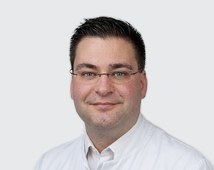
Dr Michael Rechenmacher is a senior physician and head of the Centre for Palliative Medicine (Zentrum für Palliativmedizin) at University Hospital Regensburg. People with incurable, progressive illness, whether cancer or another disease, and their families see him for relief of pain, breathlessness, nausea and anxiety.
What Dr Rechenmacher treats
Dr Rechenmacher leads all specialist palliative care at the university hospital: the palliative ward, the outpatient clinic, the consultation service for patients on other wards and the ABRIGO home care team. The palliative outpatient clinic he heads offers:
- treatment of cancer pain;
- relief of breathlessness, anxiety, nausea and other distressing symptoms;
- advice and support for patients and families in the advanced stage of illness;
- help in organising medical and nursing care at home;
- advice on an advance directive (Patientenverfügung) and help with difficult treatment decisions.
See our pages on oncology and pain treatment in Germany.
Training and experience
Michael Rechenmacher is a specialist in internal medicine, haematology and oncology; his listed qualifications also include palliative medicine and medical ethics, and he holds a master’s degree (M.A.). In 2023 he led the hospital’s 40-hour basic course in palliative medicine for doctors, and in 2025 he was scientific lead of the Regensburg Palliative Forum for professionals, devoted to patients’ relatives.
He co-authored studies published in 2025 and 2026 on nausea that persists despite maximum anti-sickness treatment, on inhaled medicines in palliative care and on palliative care in vascular surgery. The centre also researches how to identify palliative needs, how to support families and ethical questions at the end of life.
The department and hospital
The Centre for Palliative Medicine brings together all specialist palliative care at the university hospital and treats patients with any underlying disease: at home, in its outpatient clinic, on any ward and on the palliative ward. Its consultation service sees patients on all wards of the university hospital and of the Bezirksklinikum.
The certified interdisciplinary palliative ward admits the most seriously ill patients to stabilise them; stays are time-limited, with the aim of returning home in better condition. Rooms are usually single, and relatives can stay around the clock, including overnight. The team includes palliative nurses, doctors from various specialties, social workers, physio- and occupational therapists, psychologists, chaplains and volunteers. The centre is part of University Hospital Regensburg.
Frequently asked questions
What conditions does Dr Rechenmacher treat?
Dr Rechenmacher treats people with incurable, progressive illness, whether cancer or another disease. Typical reasons are pain, breathlessness, nausea, anxiety and panic attacks, and difficult decisions about further treatment. Palliative care is not only for the last weeks of life: it can help at any stage of an incurable illness, including during chemotherapy or radiotherapy.
How can I see Dr Rechenmacher from abroad?
For a first visit the hospital asks for your current medication list, recent doctors’ letters and up-to-date results such as blood tests and X-rays. AlenMed translates them into German and forwards your request; the hospital confirms a date and decides which of the centre’s doctors sees you. The ABRIGO home care team only works within about 25 km of Regensburg.
How much does treatment with Dr Rechenmacher cost?
The exact amount is set by the hospital in a written estimate (Kostenvoranschlag) prepared before you travel. It depends on the care needed: a single outpatient consultation is priced differently from treatment on the palliative ward. Payment goes directly to the hospital.
How to see Dr Rechenmacher through AlenMed
AlenMed translates your records into German, agrees a date for a consultation or admission and, if needed, arranges a medical interpreter and personal support. To start, send a request through our form.
This information is for reference only and is not an offer. A doctor decides whether and how to treat after an in-person examination.