 EN
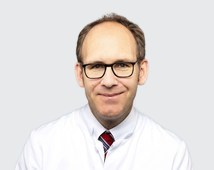
Professor Boris Hadaschik is director of the Department of Urology at University Hospital Essen, head of its uro-oncology centre and deputy director of the West German Cancer Centre (Westdeutsches Tumorzentrum). Patients see him above all for prostate, bladder and kidney cancer.
What Professor Hadaschik treats
Professor Hadaschik is a urologist whose special fields are bladder, kidney and prostate tumours. He heads the uro-oncology centre and runs a private consultation (Private Sprechstunde). Besides surgery, radiotherapy and non-surgical treatment, his department’s uro-oncology service offers:
- image-guided (stereotactic) prostate biopsy;
- robot-assisted removal of prostate, bladder and kidney tumours (da Vinci);
- PSMA PET imaging and PSMA radioligand therapy, with partners on the hospital campus;
- a uro-oncology clinic that includes surgery for metastases;
- second opinions, even once treatment has started.
See also our pages on urology and oncology in Germany.
Training and experience
Boris Hadaschik studied medicine from 1996 at Heidelberg University and two American universities, receiving his doctorate in 2002. He moved to the urology department of the University of Mainz in 2004 and, after two years of research in Vancouver, returned to Heidelberg University Hospital in 2008, where from 2014 he was, among other roles, deputy head of urology.
Research took him to universities in the USA, Canada and Egypt. In 2017 he became director of urology at University Hospital Essen and professor of urology at the University of Duisburg-Essen.
The department and hospital
The department has two wards and three operating theatres, treats about 2,500 inpatients and day patients and performs 4,000 procedures a year. Its outpatient clinic runs specialist consultations in uro-oncology, robotic surgery, andrology, paediatric urology and incontinence and sees about 8,000 adults and children a year.
Robotic surgery has been used since 2010, children are treated from birth to 18, and colleagues treat common conditions like stones and benign prostate enlargement. The uro-oncology centre is certified by the German Cancer Society and the department by the European Board of Urology; uro-oncologists work with partners on the campus of University Hospital Essen.
Frequently asked questions
What conditions does Professor Hadaschik treat?
Professor Hadaschik mainly treats prostate, bladder and kidney cancer, his special fields. Uro-oncology in his department also treats testicular cancer, operates on metastases of urological tumours and gives second opinions, even during treatment. Stones and benign prostate enlargement are treated by his colleagues.
How can I see Professor Hadaschik from abroad?
Prepare your medical reports, CT, MRI or PET reports, the biopsy report and, for prostate disease, PSA results. AlenMed translates them into German and forwards your request; the hospital confirms a date. Professor Hadaschik runs a private consultation, but the hospital decides which doctor sees you and operates.
How much does treatment with Professor Hadaschik cost?
The hospital sets the exact amount in a written estimate (Kostenvoranschlag) before you travel. It depends on the examinations and treatment: a second opinion, a biopsy, robotic surgery or drug therapy are priced differently. Payment goes directly to the hospital.
How to see Professor Hadaschik through AlenMed
AlenMed translates your records into German, agrees a date with the hospital and, if needed, arranges a medical interpreter and personal support. To start, send a request through our form.
This information is for reference only and is not an offer. A doctor decides whether and how to treat after an in-person examination.