 EN
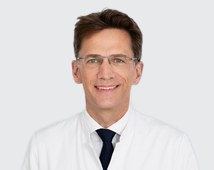
Professor Jan-Hendrik Egberts is chief physician of the Department of Surgery (Chirurgische Klinik) and medical director (Ärztlicher Direktor) of Israelitisches Krankenhaus in Hamburg. A visceral surgeon, he sees patients who need an operation for cancer of the bowel, stomach, oesophagus, pancreas or liver. Many are performed with a surgical robot.
What Professor Egberts treats
Professor Egberts operates on the stomach, bowel, liver, pancreas and oesophagus using open and minimally invasive techniques; according to the hospital, he specialises in robot-assisted surgery. With the gastroenterologist Dr Rosien, he leads the visceral oncology centre. His department uses robots for:
- colon and rectal cancer surgery (rectal tumours are removed almost exclusively by robot);
- surgery for oesophageal, stomach and pancreatic cancer;
- liver, lung and adrenal surgery;
- abdominal wall hernia repair and treatment of Dunbar syndrome (compression of the coeliac trunk).
See also our pages on oncology and gastroenterology.
Training and experience
Before Hamburg, Professor Egberts was deputy director of general, visceral, thoracic, transplant and paediatric surgery at Kiel University Hospital and head of its thoracic surgery section. He joined Israelitisches Krankenhaus in April 2021 to introduce the da Vinci robot and has led the department since August 2021.
According to the hospital, by 2021 he had led more than 1,500 da Vinci operations, including oesophageal surgery, and published more than 120 papers. He now chairs the robotic surgery working group ROBIN of the German Society of General and Visceral Surgery (DGAV) and trains surgeons from Germany and abroad.
The department and hospital
The department specialises in abdominal surgery as well as thyroid and lung surgery. Each year it treats about 3,110 inpatients and more than 600 cancer patients and performs about 3,700 operations, more than half of them minimally invasive.
The robotics centre has three systems, da Vinci Xi, Hugo RAS and SHURUI, and the team has performed more than 3,000 robot-assisted operations. Since autumn 2026 it has used SHURUI, which needs a single access of 2 to 2.5 centimetres. Israelite Hospital Hamburg was endowed in 1839.
Frequently asked questions
What conditions does Professor Egberts treat?
Professor Egberts operates on the digestive organs, above all for cancer of the colon and rectum, stomach, oesophagus, pancreas and liver. His department also operates on the lungs, adrenal glands and abdominal wall hernias, often with a robot through small incisions.
How can I see Professor Egberts from abroad?
Gather your reports, histology and test results, and CT and MRI images on disc. AlenMed translates them into German and forwards your request; the hospital confirms a date. For tumours, a second-opinion clinic (TOUCH) is available; the hospital decides which surgeon sees you and operates.
How much does treatment with Professor Egberts cost?
The hospital sets the price in a written estimate (Kostenvoranschlag) prepared before you travel. It depends on the examinations and the type of operation: a consultation, a minimally invasive procedure and major cancer surgery are priced differently. Payment goes directly to the hospital.
How to see Professor Egberts through AlenMed
AlenMed translates your records into German, agrees a date with the hospital and, if needed, arranges a medical interpreter and personal support. To start, send a request through our form.
This information is for reference only and is not an offer. A doctor decides whether and how to treat after an in-person examination.