 EN
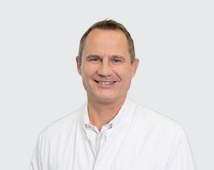
Professor Christoph Kleinschnitz is director of the Department of Neurology at University Hospital Essen and professor of neurology. Patients see him for multiple sclerosis, after a stroke and with severe nervous system disorders that need intensive care.
What Professor Kleinschnitz treats
Professor Kleinschnitz is a neurologist who treats multiple sclerosis and stroke and works in neurological intensive care; the German Competence Network Multiple Sclerosis has certified him as an MS specialist. His research covers neuroimmunology, vascular inflammation and thrombo-inflammation, including what stroke and MS have in common. The multiple sclerosis clinic in his department offers:
- confirmation of the diagnosis and distinction from other immune diseases of the nervous system;
- immunotherapy for mild, moderate and highly active disease;
- outpatient and inpatient care for relapses;
- help with spasticity, pain and bladder problems;
- second opinions.
See also our page on neurology in Germany.
Training and experience
Christoph Kleinschnitz studied medicine in Würzburg (1994–2000), received his doctorate in 2001 and qualified as a neurologist at Würzburg University Hospital in 2007. From 2009 he led its stroke unit and stroke outpatient clinic, and from 2010 also its clinical research group for MS and neuroimmunology.
Before Essen, he was a professor and managing senior physician in Würzburg. In 2016 he was appointed professor of neurology in Essen and took over the department; on his initiative it became an MS centre of the German Multiple Sclerosis Society (DMSG).
The department and hospital
The department has 79 beds, including a private ward, an epilepsy ward, a stroke unit with intermediate care (22 beds) and 10 ventilation places in its own neurological intensive care unit; emergencies are admitted around the clock. Its stroke unit, epilepsy clinic and neuromuscular centre are certified, and the European Stroke Organisation has certified the department as a stroke centre.
Besides the MS clinic, it runs an epilepsy centre, the West German Headache Centre and centres for movement disorders and neuromuscular diseases. It is part of University Hospital Essen, which brings all medical specialties together on one site.
Frequently asked questions
What conditions does Professor Kleinschnitz treat?
Patients see Professor Kleinschnitz for multiple sclerosis, to confirm the diagnosis, choose an immunotherapy or get a second opinion, and after a stroke or with severe neurological conditions needing intensive care. His department also treats epilepsy, headache, Parkinson’s disease and neuromuscular diseases.
How can I see Professor Kleinschnitz from abroad?
The department asks for doctors’ letters and CT or MRI images in advance. AlenMed translates them into German and forwards your request; the hospital confirms a date and decides which doctor sees you. Its private outpatient clinic is run by senior physicians (Oberärzte).
How much does treatment with Professor Kleinschnitz cost?
The hospital sets the exact amount in a written estimate (Kostenvoranschlag) before you travel. It depends on the examinations and treatment: a consultation or second opinion, immunotherapy for multiple sclerosis and inpatient care are priced differently. Payment goes directly to the hospital.
How to see Professor Kleinschnitz through AlenMed
AlenMed translates your records into German, agrees a date with the hospital and, if needed, arranges a medical interpreter and personal support. To start, send a request through our form.
This information is for reference only and is not an offer. A doctor decides whether and how to treat after an in-person examination.