 EN
EN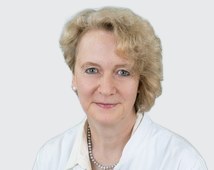
Prof. Dr med. Dorothea Besch (Prof. Dr. med. Dorothea Besch) heads the section for strabismus treatment and the eyelid and orbital centre at Tuebingen University Eye Hospital. Children and adults come to her with squint and double vision, and patients also consult her about disease of the eyelids, the tear ducts and the orbit.
Where the doctor practises and what they do
She sees patients in Tuebingen and has led the section for strabismus treatment and the eyelid and orbital centre since 2005. She treats squint in children and adults, double vision and amblyopia — the «lazy eye», where the brain stops using the image from one eye — and operates on the eye muscles so that the eyes work together again. This kind of eye treatment starts with careful measurement of the angle of deviation and of eye movement; only then is surgery discussed.
The second part of her work covers the tear ducts, the eyelids and the orbit: a narrowed tear duct, a lid in the wrong position, inflammation and changes in the tissue behind the eye. She performs reconstructive surgery after tumours of the lids, tear ducts and orbit have been removed and after injuries to this region, where appearance, protection of the eye and drainage of tears all have to be restored. She also runs a consultation for patients who have lost an eye and need a prosthesis.
What they are known for
Prof. Dr med. Dorothea Besch is a specialist in ophthalmology and a university professor. Since 2005 she has led the strabismus section and the eyelid and orbital centre in Tuebingen: one of the few fields in which eye muscle surgery and plastic surgery of the lids and orbit are held in the same hands, and where decisions are almost always taken together with orthoptists and paediatric ophthalmologists.
How we arrange an appointment
AlenMed arranges consultations and surgery with Prof. Dr med. Dorothea Besch for patients coming from abroad. Send an enquiry through our online form; we translate your medical records into German, agree a date at Tuebingen University Eye Hospital and meet you there. A medical interpreter stays with you at the consultation and afterwards. You pay the clinic directly, according to its official tariffs.
This material is provided for reference only and does not replace a doctor’s consultation. Whether treatment is possible and what it will achieve is determined after an in-person examination.